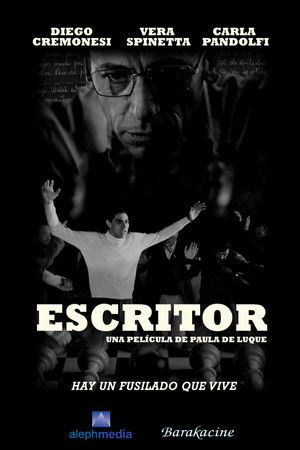
Writer (2025-07-01)
Overview
Directed By: Paula de Luque
Star Cast: Diego Cremonesi , Vera Spinetta , Carla Pandolfi , Carlos Portaluppi ,
Videos Playlist
Similar Collection
Images

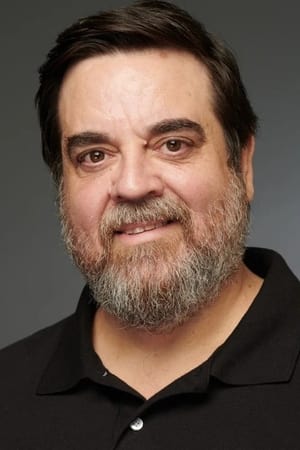
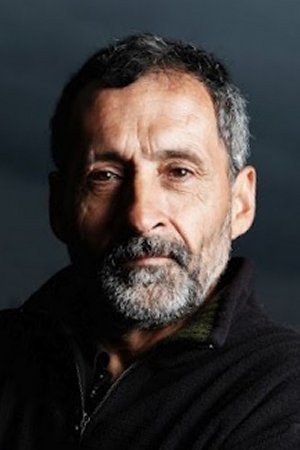

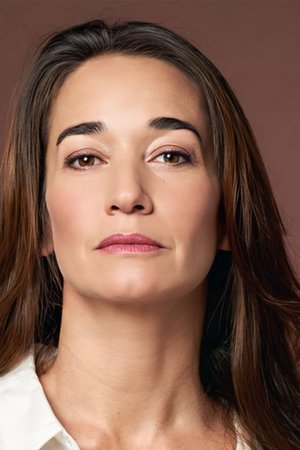

-
Brent Marchant
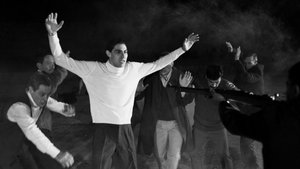
Argentina in the 1950s was a hotbed of internal political turmoil. After the overthrow of President Juan Perón by a military coup in 1955, the country was taken over by Gen. Pedro Arumburu, who was himself the target of an attempted counter-coup less than a year later, one that included members of his own armed forces. However, when some of those military leaders had a last-minute change of heart, they needed to cover their tracks to preserve their reoutations and positions of power, an effort that led to the cold-blooded killing of a group of alleged insurgents. There was just one problem: those victims had no connection to Arumburu’s attempted ouster. And, when word of these murders leaked out through a handful of survivors, it eventually made its way to author/journalist Rodolfo Walsh (Diego Cremonesi), an outcome that prompted the wheels of justice to begin turning. Granted, given the volatile political climate of the time, Walsh faced an uphill battle to gather evidence and to find a publication that was willing to publish the story. Eventually, though, the gruesome tale was chronicled in a book titled Operación Masacre (Operation Massacre) published in 1957. Walsh’s work has since come to be considered the first-ever nonfiction novel, released nine years before Truman Capote’s In Cold Blood, long seen as the first published entry in this genre. Director Paula de Luque’s account of Walsh’s investigation follows the treacherous path he traversed in collecting evidence about this incident, an effort that was met with frequent setbacks from witnesses/survivors and publishing outlets that were reluctant to commit to such a potentially explosive project, not to mention threats against his own life. However, with the assistance of his wife (Carla Pandolfi) and a young research associate (Vera Spinetta), Walsh forged ahead, meticulously compiling the details of the shootings and how the plan for the coup and coverup went awry. “Escritor” tells its story with stylistic flourish, beautifully shot in black and white with scrupulous attention to period piece production values and a perfectly suited score that’s ideal for the time frame and subject matter. In addition, the picture follows Walsh’s investigation with the same kind of painstaking detail exhibited by journalists Bob Woodward and Carl Bernstein in exposing the Watergate scandal in “All the President’s Men” (1976). However, the storytelling itself is unfortunately somewhat muddled at times as the narrative and screenplay frequently backtrack on themselves to show the process of how Walsh assembled the information he needed to properly outline the details of the story and its background. The film also incorporates some material about Walsh’s personal life (most notably his relationship with his research associate) that feels underdeveloped and incomplete, leading viewers to wonder why any of this information was included at all. Nevertheless, this release provides an intriguing look at a period and incident from Argentina’s past that’s likely not well known outside the country but that played an important role in helping to shape the nation’s stormy history that followed over the next 30 years, one that became both legendary and infamous across the Latin American continent.