
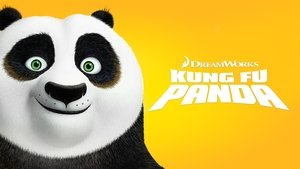
Kung Fu Panda (2008-06-04)
Action | Animation | Comedy | Family |
Overview
Directed By: Mark Osborne John Stevenson
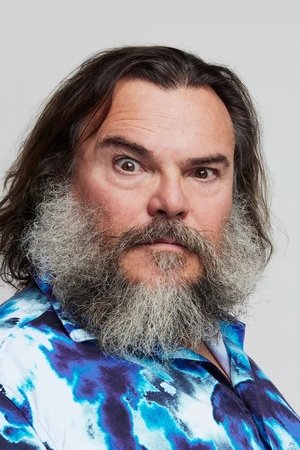
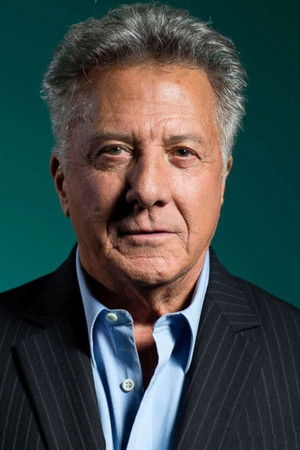
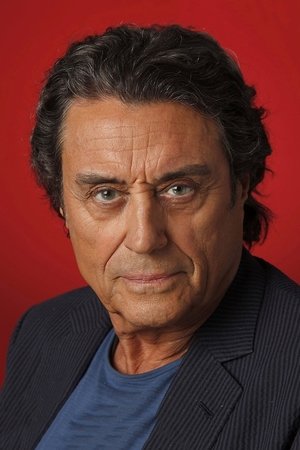
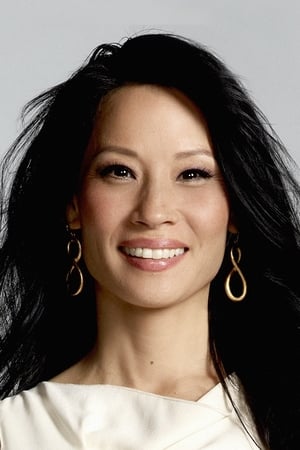
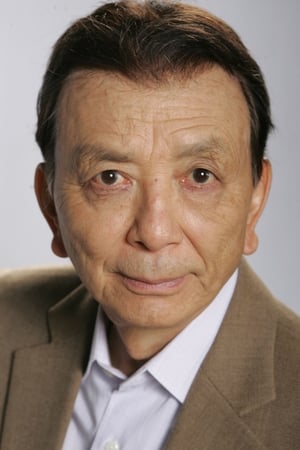
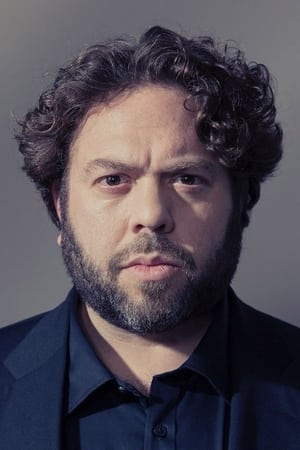
Star Cast: Jack Black , Dustin Hoffman , Angelina Jolie , Ian McShane ,
Videos Playlist
Similar Collection
Images











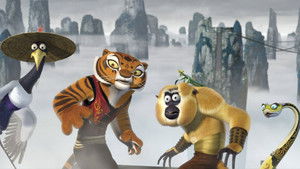
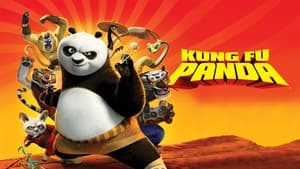
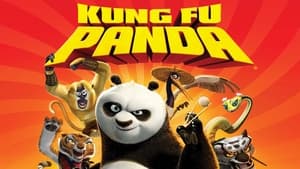
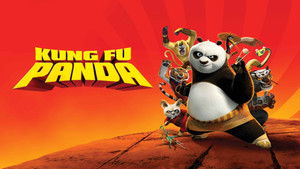






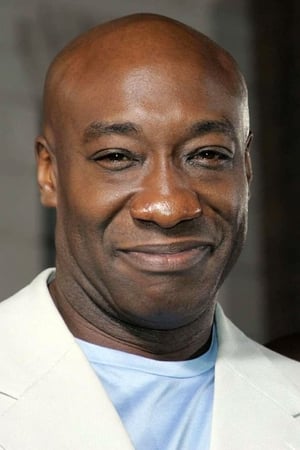
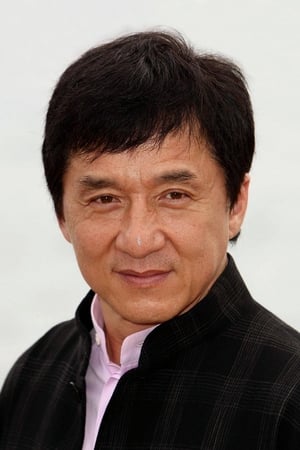
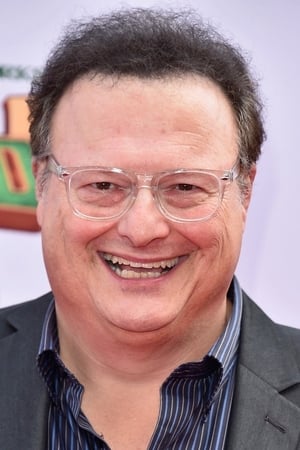

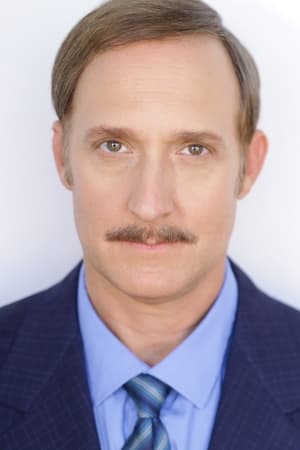



-
CinemaSerf
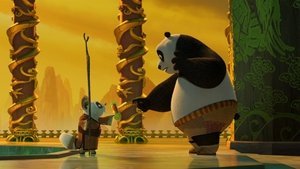
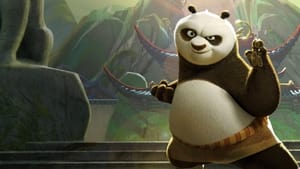
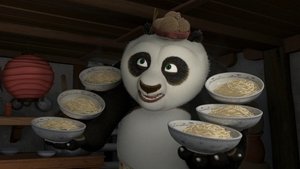
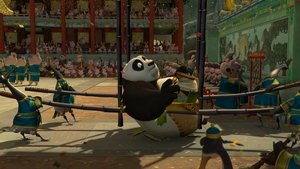
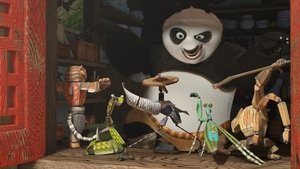
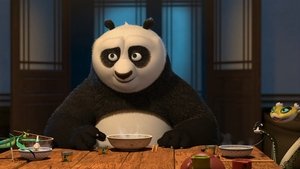
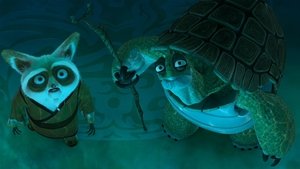
So the rather clumsy and inept "Po" has dreams of saving the world! His real job is working in a noodle bar where one day, maybe, he will learn the secret ingredient that gives their dishes that special flavour. Meantime, the ageing "Oogway", the most learned of creatures, has informed his stalwart lieutenant "Shifu" that he will soon have to defend their "Valley of Peace" from the vengeful "Tai Lung" who, though currently incarcerated in a seemingly impregnable prison, is set to come and wreak some havoc. "Po" is determined to attend the selection ceremony and, well yes - you've guessed. He ends up selected by the old wise turtle, much to the chagrin and general disbelief of just about everyone else. Hopeless, hapless and helpless - but can "Po" prove his mettle and save the day? It's really quite good fun this. The characterisations are well developed and it has humour and style to it too. The animations are lively, vivid and the directors avoid the temptation to allow the combat and action scenes to descend into the all-too-often realms of repetitiveness. There is a moral - the values of teamwork and trust, honesty, integrity yada yada, but the story delivers them in a gentle and demonstrable manner via the plot and the characters rather than pontificating. All in all, this is great family fun that shows the (not so) little guy doing his best... Can he save the day?
-
MannyD
Wow, what a surprise this was! It looked like the stupidest movie ever by the trailers. Bit then when you actually sit down and watch it, it's not only one if the funniest, but also one of the most mature, profound, intense, action packed films you'll ever see! The perfect example of a "Don't Judge A Book By Its Cover" movie. **Total Score: 9.5/10**
-
daniel_carr
This was a really great movie! Funny, good story and great characters. I really connected with this movie and I think many of us can relate so well done! With so many talented actors lending their voices to this it was a real treat as well.
-
tmdb51103537
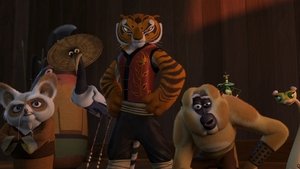
DreamWorks Animation's Kung Fu Panda is a funny, action-packed animated martial arts movie all about Po, a clumsy panda voiced by Jack Black, being mistaken for the Dragon Warrior. The animation and music are also exceptional, capturing the Chinese setting brilliantly. I did, however, dislike that the movie made the Furious Five slightly mean-spirited and how Tai Lung, the main villain, was a bit inconsistent with the way his villainy was portrayed. Basically, this is the weakest film in the franchise.
-
Vinicius Monteiro
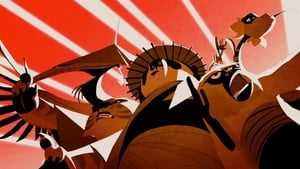
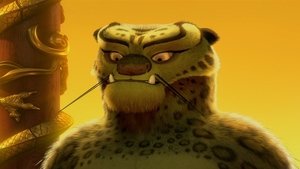
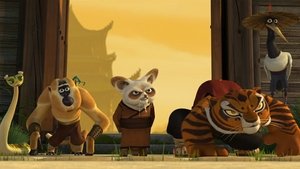
We've been conditioned to expect action movie heroes to be flawless, athletic figures ready for combat from minute one. But every once in a while, a story comes along that flips this expectation inside out so honestly that it's impossible not to fall in love. Kung Fu Panda plays with the hero's journey cliché by placing the fate of the world in the paws of the most unlikely protagonist possible. It proves that heart and the will to learn matter just as much as brute strength, resulting in one of the most well-rounded and charismatic animated films ever made. The film's pacing hits the nail on the head right away by ditching the filler. Origin stories usually drag between the second and third acts, but directors Stevenson and Osborne keep things flowing with incredible agility. The narrative brilliantly swings between the comedy of Po's clumsy temple training and the suffocating suspense of the villain's impending escape. This pendulum rhythm ensures you never feel the minutes ticking by, creating a dynamic that hooks both kids and critical adults alike. It might seem weird to highly praise the writing of a movie about fighting animals, but Aibel and Berger's script is a masterclass in cause and effect. There are no loose ends or magical fixes pulled out of thin air at the end. Everything Po uses to win-the fireworks, the explosive chair, his fanboy knowledge of the masters' moves, and his pure desperation for food-was subtly planted earlier. The film rewards viewers who pay attention, proving a family comedy can have a rock-solid structure. The physical comedy is fantastic, but what really won me over was how the humor never relies on cheap jokes about Po's weight. Food stops being just a crutch for visual gags and actually becomes the key to his training. The famous dumpling fight with chopsticks is pure intelligence disguised as a simple joke: Shifu stops forcing Po to be someone he isn't and uses his student's biggest weakness as his greatest motivation. For anyone who grew up watching classic martial arts movies, the respect for the action here is an unexpected treat. The fighting styles of the Furious Five are authentic representations of ancient Kung Fu techniques. The fights themselves have a fluidity and impact that's often missing in modern live-action films. The rope bridge sequence where the Five try to stop Tai Lung is a jaw-dropping, brilliantly choreographed spectacle. My only complaint is that it ended too fast! While the script gives the Furious Five room to shine, Master Tigress carries the heaviest dramatic weight. Her frustration is entirely justified-she trained her whole life and gave up her childhood, only to see a bear fall from the sky and steal her title. The supporting cast starts out as hostile, but as the hero humanizes himself and struggles to prove his worth, you see a subtle, rewarding arc of acceptance that enriches the group dynamic. Po's development is undeniably the beating heart of the movie. He isn't a fearless hero; he's a starstruck fanboy with severe imposter syndrome. His evolution is beautiful precisely because he doesn't try to become someone else. When Shifu asks why he didn't quit after getting beat up on the first day, Po answers with genuine pain: he took the hits because he thought the master could turn him into someone different. Seeing a protagonist so openly expose his insecurities invites anyone to desperately root for him. Tai Lung isn't just an angry monster made to be beaten in the end; he has a terrifying screen presence. But what really elevates him is his psychological depth. He doesn't want to destroy the world out of generic evil; he's a son with a broken heart. He was shaped by his adoptive father, Shifu, who promised him the world but didn't defend him when it mattered most. This tragedy turns him into a dark, painful reflection of unmet paternal expectations. It might go unnoticed, but the character design uses geometry to tell the story before anyone even speaks. Tai Lung is drawn with sharp triangles and aggressive lines, projecting constant danger. Po is made entirely of soft, peaceful circles. Shifu is compact and square, representing his strict attachment to the rules. This visual clash between the square, the triangle, and the circle makes the fights incredibly satisfying to decode. The original voice cast is a rare Hollywood case where big stars actually surrender to their characters. Jack Black basically is Po, exuding the exact manic energy needed for the bear. Dustin Hoffman brings a tired, heavy gravity to Shifu, while Ian McShane delivers such a guttural, Shakespearean performance that every sentence from the leopard sounds like rolling thunder. The music deserves to be studied. Hans Zimmer and John Powell delivered a score that transcends the children's genre, mixing intimate traditional Asian instruments with the crushing weight of a full symphony orchestra. Tracks like "Oogway Ascends" hit you with an emotional charge that makes you want to cry. The soundtrack elevates the stakes and nails the mystical tone perfectly. Even years later, the animation quality remains a giant leap. The obsessive attention to detail-sunlight piercing the dust, the texture of Tai Lung's wet fur-is a feast for the eyes. Opening the movie with a highly contrasted, traditional 2D sequence to show Po's mythic view of kung fu before crashing him into the clunky, hyper-realistic 3D of his real life was a phenomenally bold choice. The film also dives into a deep philosophy about the illusion of control through Master Shifu. Oogway's famous peach tree metaphor is a monumental wake-up call: no matter what you do, a peach seed will always grow a peach tree, not an apple tree. The script makes it clear that inner peace comes from flowing with the universe, not trying to control it. Without being preachy, the movie delivers a brilliant message about body acceptance. Po doesn't get a training montage that leaves him ripped; his body never changes. The great catch is that he wins the final fight because of his body. His fat absorbs impacts and makes him immune to Tai Lung's deadly nerve attacks. It's an incredibly clever subversion of the action hero aesthetic. It's also refreshing to see a modern movie that isn't afraid of silence. In tense moments, Kung Fu Panda just lets the characters look at each other. The sadness and urgency are communicated entirely through body language and the wind in the trees, giving the film massive dramatic weight. You can't analyze this movie without bowing down to Master Oogway. Moving at a snail's pace amid all the chaotic action, every word he says resonates. His farewell under the moonlight is one of the most poetic sequences DreamWorks has ever done. He manages to be funny, mysterious, and absurdly powerful, all while barely raising his voice. The grand emotional climax relies on the "secret ingredient" of the Dragon Scroll. It turns out to be blank, simply reflecting the face of the reader. It perfectly mirrors Po's dad's soup, proving there is no magical shortcut or external formula for success. Absolute acceptance of who you are ends up being the greatest power of all. For me, Kung Fu Panda is the pinnacle of smart popcorn entertainment. It balances incredible fights, honest laughs, and deep themes with gorgeous visuals. If you haven't seen it in a while, set aside an hour and a half, grab some popcorn or make some noodles, and enjoy this contemporary classic. It's an experience that leaves you smiling long after the credits roll.